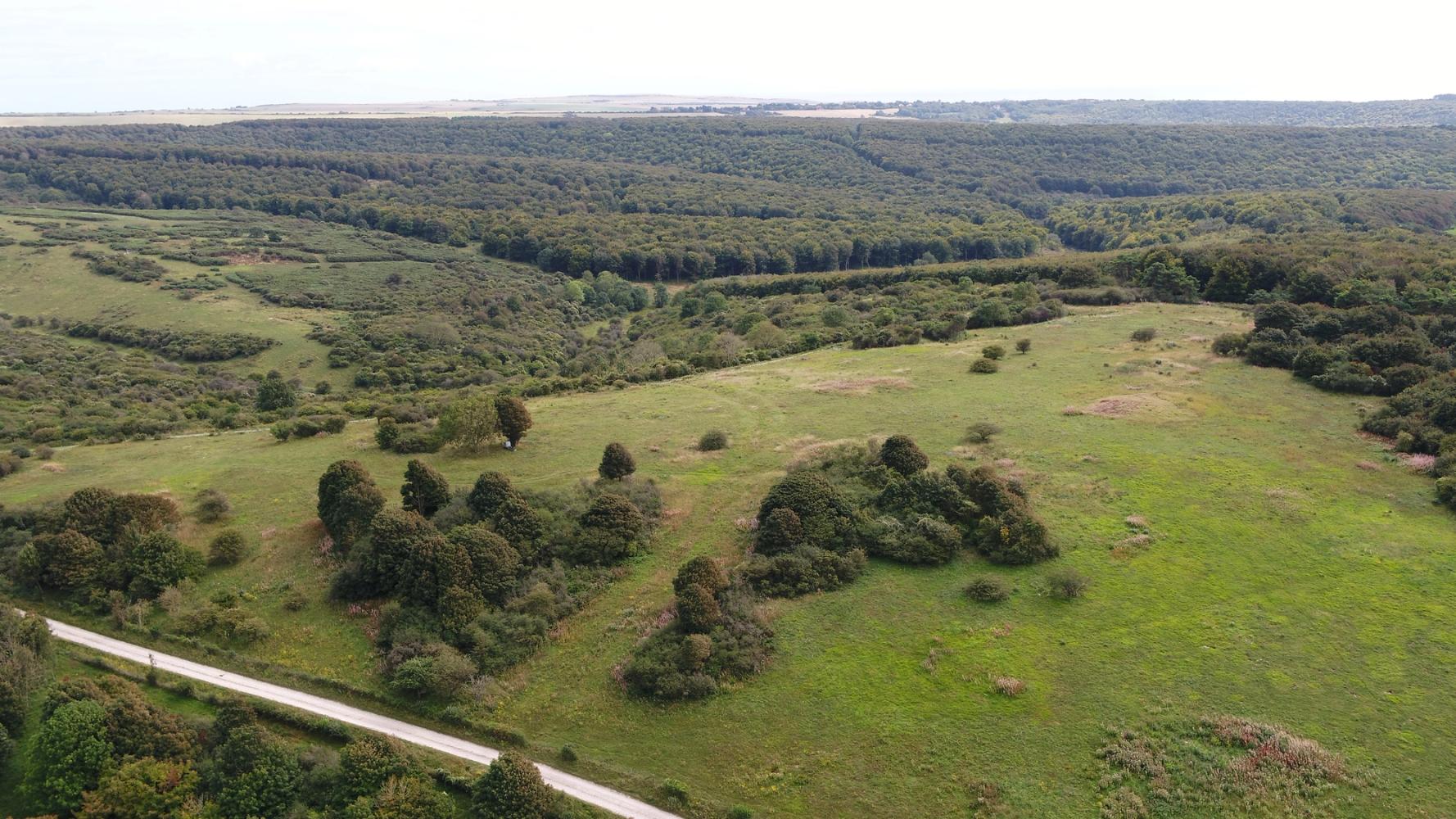
The Seven Sisters National Nature Reserve is the first super National Nature Reserve to be inspired by groundwater. It is located on the chalk hills of the South Downs around Seaford and Eastbourne and forms part of the Sussex Heritage Coast, which is globally renowned for the white chalk cliffs of the Seven Sisters.
By designating the area as a super National Nature Reserve it will enable us to work in partnership with local stakeholders to protect local habitats, the chalk geology and in turn, the drinking water resource. To do this we will work with local landowners and farmers to use regenerative farming practices and nature-based solutions to provide these vital services for people living, working and visiting this part of the South Downs.
Watch our video on why the designation of the Seven Sisters National Nature Reserve is so important for protecting our local drinking water resource.
Did you know?
- Water is a finite resource. Only 1% of the earth’s water can be sustainably turned into safe drinking water - we do not have a never-ending supply.
- 70% of drinking water in the south east comes from underground water sources called aquifers. Only 30% comes from rivers and reservoirs.
- The way land is managed directly impacts the quality and quantity of the groundwater supplies.
- The south east is described as water stressed by the Environment Agency.
- The more extreme weather patterns we are seeing as a result of climate change can significantly impact our water supply.
This is why the formation of the Seven Sisters National Nature Reserve is important to enable us to work together to manage the land in a way that protects water resources, improves biodiversity and delivers for the local community.
What do we mean by nature-based solutions?
Groundwater is collected in underground chalk aquifers. Rain water filters through the chalk geology into the aquifer and then we use a borehole to pump water out of the aquifer to turn into clean, fresh drinking water. The chalk geology is the ultimate nature-based solution as it naturally filters the water as it travels through the aquifer meaning it requires less treatment than water that comes from rivers and reservoirs.
The way land is managed above an aquifer can impact how much water is able to filter down and the quality of that water. The theory behind the Seven Sisters National Nature Reserve is that by having a mosaic of habitats managed at the right locations in the landscape we can maximise groundwater quality and quantity and provide climate change resilience.
Take a look at this video produced by Longbridge Regenerative on the history of the landscape, importance of the chalk geology and how they are farming the land in a way that protects the environment and the groundwater resource.
Friston Forest and Lullington Heath form part of the Seven Sisters National Nature Reserve. We carried out research at these sites to help us understand the best way to manage the landscape here. Our findings indicated that the best habitats for water quantity and biodiversity are chalk grassland and heathland and for water quality, it’s woodland.

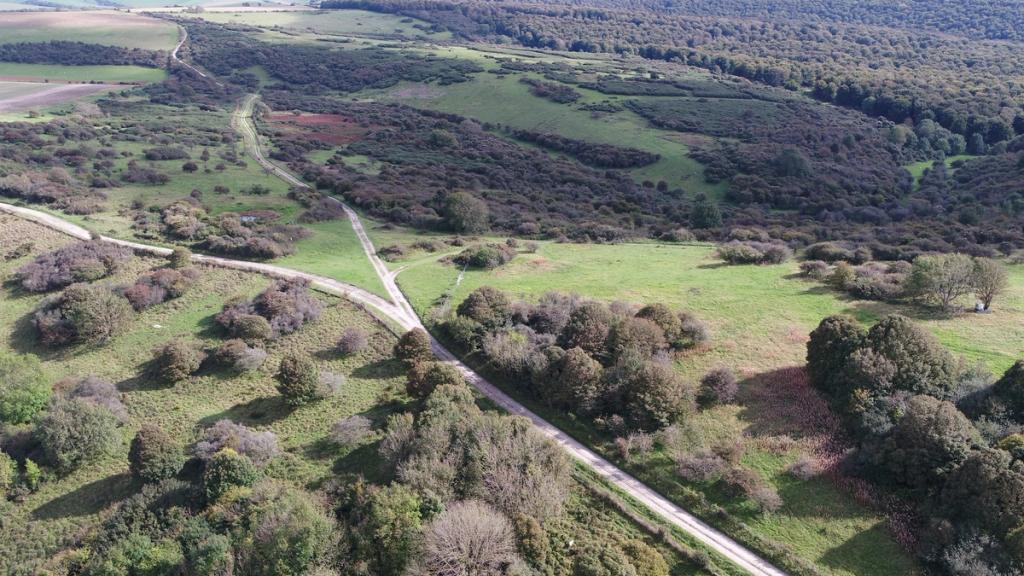
In order for these habitats to exist they must be managed properly. For example, it's important that chalk grassland is grazed and so a local farmer has been using Exmoor ponies to graze Lullington Heath.
Other ways to manage the landscape include the use of cover crops, where farmers grow another plant after their main crop has been harvested instead of leaving the field bare. This has lots of benefits including improving soil quality, reducing the amount of soil lost during heavy rain and absorbing fertiliser left in the soil which may have otherwise filtered down into the groundwater. These all help to protect our water resources, as well as providing benefits to farmers.
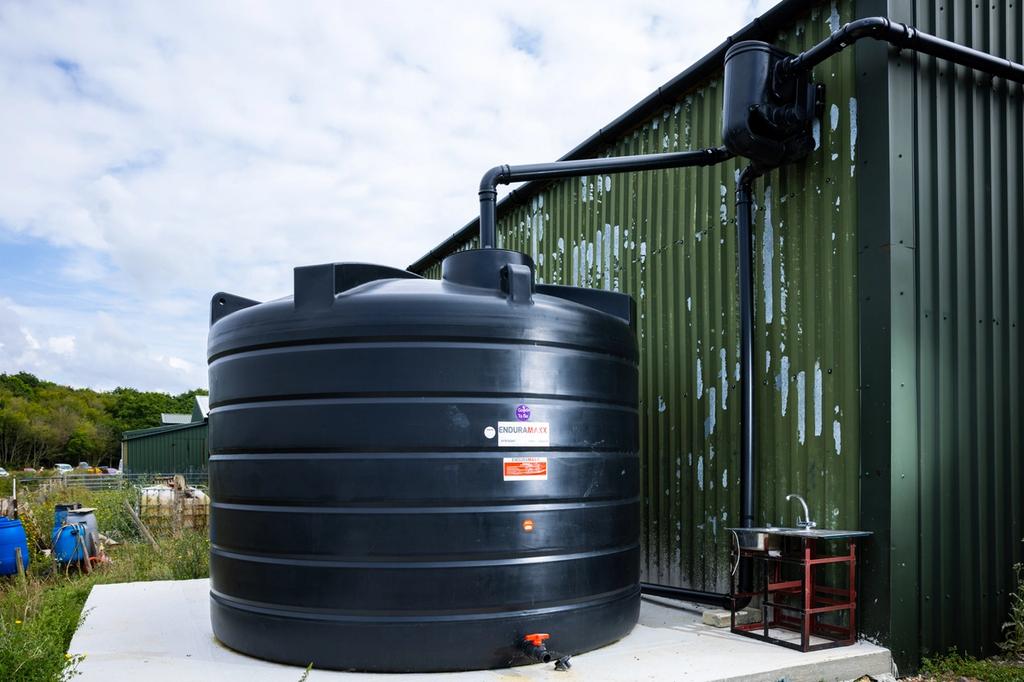
Rainwater harvesting is another simple solution that anyone who has a roof with drainage can install. This collects rainwater that would have gone into the drainage system and stores it for use for things such as watering crops or gardens. This reduces the demand on our drinking water supply and provides resilience during times of drought.

Seven Sisters National Nature Reserve declaration
The Seven Sisters National Nature Reserve forms part of the King’s Series of National Nature reserves which were created to celebrate the coronation of His Majesty King Charles III.
It was officially declared a National Nature Reserve on 19 March 2026 by His Majesty King Charles III at a reception at Seven Sisters Country Park. He met members of the South East Water team who were pivotal in turning the vision of the first super National Nature Reserve inspired by water into a reality.
Partners in the project are all bodies that own and manage land in the area. They are Eastbourne Borough Council, Forestry England, National Trust, Natural England, Seaford Town Council, South Downs National Park Authority, South East Water and Sussex Wildlife Trust.
Seven Sisters National Nature Reserve Declaration