
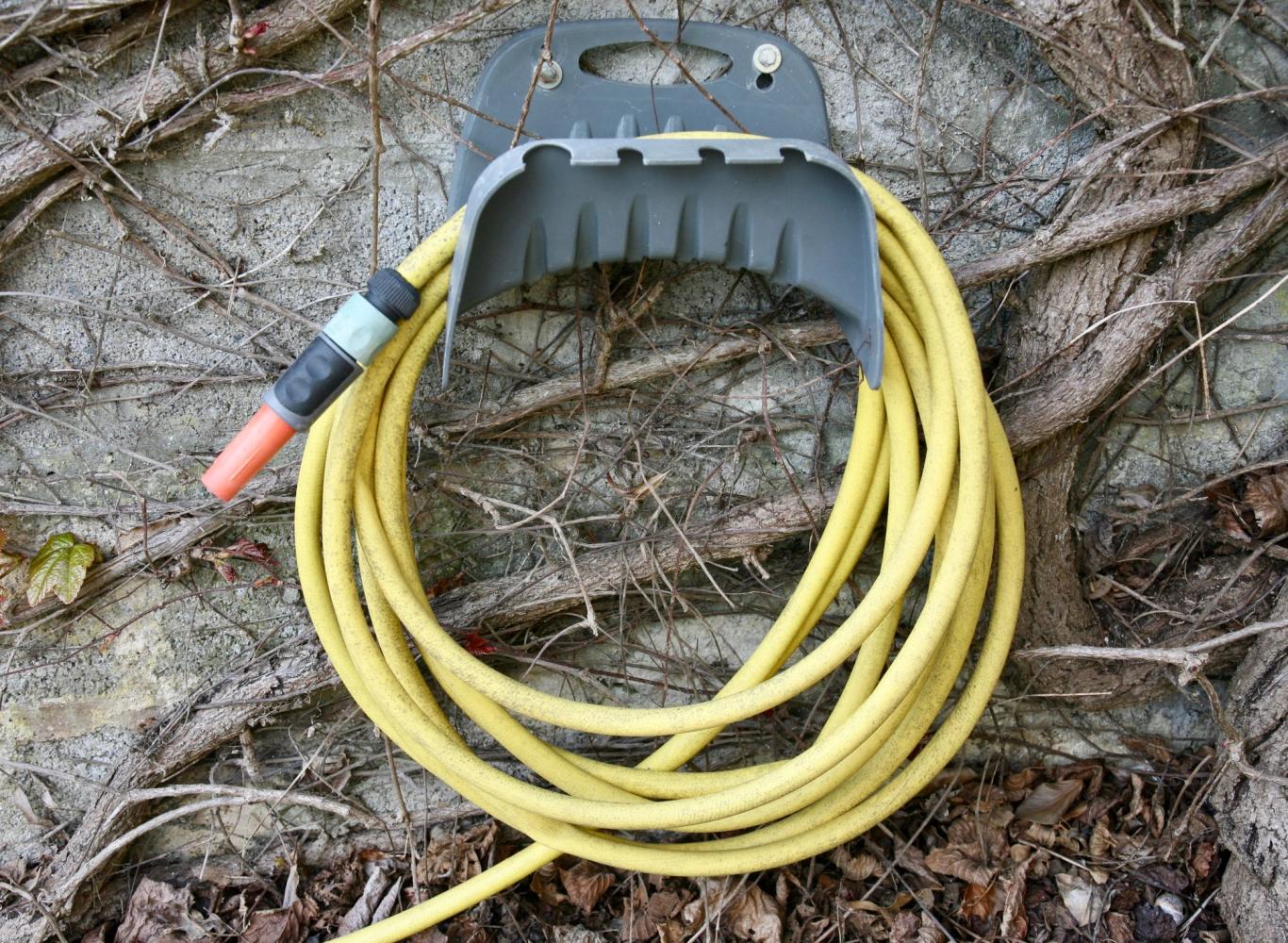
For our customers in Sussex we’re updating the hosepipe restrictions. The levels of our Sussex reservoirs are falling, especially Ardingly, which is now at the same low level as this time last year. This means we must look at other ways to protect water resources.
Therefore, we are updating the hosepipe restrictions for our customers in Sussex that will mean any exemption previously applied would be removed, except where it is needed for health, safety or welfare reasons.
Below are a host of frequently asked questions and the answers to help you understand the restrictions. We also have a table that sets out what is restricted and any exemption that still applies.
General questions
We announced that exemptions listed in the temporary use ban, except those that are for health and safety purposes, were being removed for customers in Sussex at 09:00 on Friday 2 October. The updated restrictions come into effect at 00:01 am on Friday 9 October 2026.
Customers previously exempt from the hosepipe restrictions are no longer exempt unless an explicit health, safety, or welfare exemption applies.
This means you can no longer:
- Water a garden using a hosepipe
- Clean a private motor-vehicle (or a trailer for such a vehicle) using a hosepipe (including commercial cleaning services)
- Water plants on domestic or other non-commercial premises using a hosepipe
- Clean a private leisure boat using a hosepipe (including commercial cleaning services)
- Fill or maintain a domestic swimming or paddling pool
- Draw water, using a hosepipe, for domestic recreational use (such as hot tubs)
- Fill or maintain a domestic pond (manmade or natural) using a hosepipe
- Fill or maintain an ornamental fountain (including a cascade or any other display of moving water, and includes filling by permanent plumbing)
- Clean walls, or windows, of domestic premises using a hosepipe (including commercial cleaning services)
- Clean paths or patios using a hosepipe (including commercial cleaning services)
- Clean other artificial outdoor surfaces using a hosepipe (including commercial cleaning services)
We have:
- Published a notice in London Gazette on Friday 2 October and Sussex Express on Friday 2 October
- Promoted messaging via our social media channels – LinkedIn, Facebook
- Emailed or sent a letter to customers with information and a link to our website
- Written to relevant MPs and councillors representing the communities we serve
- Briefed our staff about the ban so they can let customers who contact us know
- Updated our dedicated webpage(opens in a new tab) hosting useful information for customers and other water users
Despite hosepipe restrictions being in place since July, your help to save water, and our ongoing efforts to balance supply and demand, our water resources have steadily declined due to extraordinary dry weather. Between March and August, Sussex received just over 56% of expected rainfall. This means we need to take further steps to protect supplies and the environment as detailed in our Drought Plan.
The updated restrictions cover our Sussex supply area only (Resource Zones 2 and 3). The map on our website outlines what area is affected by removing exemptions.
The updated restrictions only apply to customers in our Sussex supply area. Customers we supply in Kent, Surrey, Hampshire, and Berkshire will continue to be affected by the temporary use ban that has been in place since July. The previous exemptions to the temporary use ban still apply for those areas, and details can be found on our website: www.southeastwater.co.uk/tubs.
As part of the Water Industry Act (1991), when removing exemptions we must provide our customers and stakeholders notice and offer a period of consultation for feedback. This has determined the timeline we have adopted.
It is likely that it will continue until we are confident that water resources have recovered. We will keep the position under constant review.
We will publish a notice in newspapers, email or letter customers, place a message on our website and social media, and share the information with media organisations.
The combination of factors experienced this year have been extraordinary. The Met Office is predicting summer 2026 to be the hottest on record, while July in England was the driest since records began 190 years ago. We have been communicating directly with our customers in affected areas to ask for voluntary restraint, but despite customer and company efforts, resources have continued to decline due to a lack of rainfall.
Sussex is supplied by groundwater in aquifers far below our feet, and through two surface reservoirs at Ardingly and Arlington. While there has been some rainfall, it has not been enough to counteract the dry year we’ve experienced. Between March and August, Sussex received just over 56% of expected rainfall.
At the same time, we are actively taking major steps to protect supplies and fix leaks across Sussex:
- Tackling leaks: We’ve increased our local leak-fixing staff in Sussex to the highest number ever (from 14 to 21 repair teams) and doubled support teams from 7 to 14. Between April and August 2026, we repaired 893 leaks in the region.
- Optimising pressure: We actively control water pressure across our network to reduce water stress, minimise burst pipes, and cut background leaks.
- Engineering solutions: We fast-tracked a new pipeline connecting treated water from Bewl in Kent to East Sussex (saving up to 4 million litres a day from Ardingly Reservoir), are reactivating a treatment facility to deliver an additional 1.9 million litres a day, and applied for a Drought Permit to reduce environmental releases from Ardingly Reservoir.
The updated restrictions apply to all users that are billed by South East Water, as well as others, such as businesses in the South East Water supply area of Sussex who are billed by their retailer or other appointed company. This includes customers of Last Mile Water, Advanced Water Infrastructure Networks (AWIN), and Independent Water Networks (IWNL).
Cleaning a private motor-vehicle (or a trailer for such a vehicle) using a hosepipe, where this is done as a service to customers in the course of a business or to clean public service or goods vehicles, including taxis and goods or commercial vehicles, is no longer permitted using a hosepipe. Similarly, commercial hosepipe cleaning of windows, walls, paths, patios, and outdoor artificial surfaces is prohibited. There are alternative ways to carry out cleaning, such as using water from a bucket. We also continue to ask all businesses to save water where possible, especially in kitchens and bathrooms, and consider alternative water sources.
The hosepipe restrictions in 2025 were in place due to dry weather impacting untreated (raw water) levels and high demand during the summer. Since then, we've focused on an accelerated programme of operational changes and engineering works, including:
- Improving water pipe and network connections to maximise the flow of available water from local drinking water storage tanks.
- Reviewing the performance of Water Treatment Works and accelerating technical upgrades.
- Fast-tracking the installation of power backup batteries at key sites to mitigate power blips during high demand.
- Installing additional temporary drinking water storage tanks at critical sites to increase available volumes.
- Optimising network pressure to cut leaks, fast-tracking the Bewl pipeline link, and doubling local repair teams.
Exemptions to the updated restrictions
This includes activities that need to be done using a hosepipe to ensure you are removing or minimising risks to human or animal health or safety, or preventing the spread of disease.
Using a hosepipe where the welfare and/or health and safety of animals (including fish and livestock) is paramount will not be restricted—their drinking or living requirements will not be affected.
They were previously exempt from the hosepipe restrictions, but this will end and they will no longer be able to use your hosepipe.
There are some circumstances where a hosepipe is needed for health and safety purposes. Only these will be allowed.
If you believe you should be on the Priority Services Register please go to www.southeastwater.co.uk/psr to register.
Unless the activity is required for strict health and safety purposes, you are no longer exempt from the ban and should not use a hosepipe. There are limited circumstances where a hosepipe is needed for health and safety purposes—only these will be allowed. Please see the table on our website for more information.
If you were previously relying on an age-based exemption, this has now ended and you will no longer be able to use a hosepipe unless you are using it for essential health and safety reasons.
Yes. Removing or minimising any risk to animal health or safety, or preventing or controlling the spread of disease, is exempt and will not be restricted.
Outside
Using a hosepipe connected to a water butt or other recycled water storage system will not be restricted. However, you cannot use a hosepipe connected to mains water to fill a water butt.
Drip or trickle irrigation watering systems—fitted with a pressure reducing valve and a timer, that are not handheld, and that place water drip by drip directly onto or beneath the soil surface without run-off or mist dispersion—are not restricted.
You may water your garden with tap water by hand using a bucket or a watering can. You may also water your garden using greywater (e.g., from showers) or rainwater from a water butt through a hosepipe. You might also consider investing in drip or trickle irrigation systems fitted with a pressure reducing valve and timer.
- Cut down on the number of pots/planters you have and go for larger containers that don’t dry out as quickly.
- Choose plastic pots with built-in water reservoirs, or line terracotta pots to reduce evaporation.
- Use biodegradable crystals in planters to reduce watering frequency.
- Mulch beds with bark chips or gravel to retain soil moisture.
- Choose drought-tolerant plants that thrive in dry conditions.
- Let your lawn go golden—it will recover quickly when regular rain returns.
- Set mower blades higher (4cm) to trap morning dew.
- Install a water butt to collect rainwater from your roof for your garden or pond.
The restrictions do not cover commercial buildings themselves, but gardens associated with accommodation are classed as domestic gardens unless the property pays business rates rather than council tax. If council tax is paid, any garden falls under the restrictions.
No, this is not permitted under the updated restrictions. You may, however, use an alternative water source such as a watering can, bucket, or drip/trickle irrigation system.
Yes, sprinklers connected to mains water are prohibited.
An allotment used for non-commercial purposes is classed as a 'garden', so hosepipe use is restricted. You may use watering cans, buckets, or drip/trickle irrigation systems.
Yes, jet washers connected to mains water are restricted.
Only where this is unavoidable for the health, safety, and welfare of the fish or aquatic animals.
Only where it is used as part of recognised religious practices, or where an ornamental fountain in/near a fish pond supplies necessary oxygen to keep fish healthy.
No, you cannot fill a domestic private pool or paddling pool using a hosepipe. Exemptions only apply when using a hand-held container or water conservation recycling system, where necessary in the course of construction, for medical treatment, or in places of worship/community pools for religious ceremonies.
You can maintain or fill a pool using a water conservation recycling system, but you cannot use a mains-connected hosepipe to top up standard domestic pools.
Yes, provided the water source is not supplied by South East Water.
You can fill the water tank of a motor home with tap water using a hosepipe, as long as this water is then used for drinking, cooking, washing, or sanitation purposes and not for any activity prohibited under the Temporary Use Ban.
You can wash your car by hand using water from a bucket, or with a hosepipe connected to a rainwater or greywater source (e.g., a water butt). You cannot use a hosepipe connected to mains water.
Watering a garden with a hosepipe is not permitted as it is not an exempt health and safety activity. You may consider installing a drip/trickle irrigation system fitted with a timer and pressure valve, which is permitted.
Only where strictly necessary for unavoidable health and safety reasons. Otherwise, we ask that you wait until supplies recover.
You are prohibited from using a hosepipe to clean paths or patios. The previous commercial exemption has been removed, so businesses cannot clean patios with a hosepipe unless there is an unavoidable health and safety risk where no alternative method exists.
You cannot use a hosepipe to wash your wheelie bin unless doing so is required to remove an unavoidable health and safety risk or prevent disease.
The hosepipe ban only applies to water supplied by South East Water. Abstraction from ground springs or wells is regulated by the Environment Agency, so please contact them regarding your rights.
We are unable to provide specific advice on how soap affects different plant species. We advise checking with a local garden centre or online horticultural guides before using soapy dishwater.
No, you cannot use a hosepipe to clean a private leisure boat, including commercial boat-washing services, unless required for enclosed areas (roof/walls) or health and safety reasons.
No, drawing water using a hosepipe for domestic recreational use (including hot tubs and swim spas) is prohibited. Filling or maintaining hot tubs after construction or repair using a hosepipe is also no longer exempt.
Inside
A temporary use ban does not prohibit using water for indoor carpet cleaning, but we ask that you consider waiting until reservoir levels recover to avoid unnecessary water use.
- Take short 4-minute showers instead of baths.
- Turn off the tap while brushing teeth or shaving.
- Fix dripping taps and leaking toilets promptly.
- Run dishwashers and washing machines only with full loads on ECO mode.
- Wash vegetables in a bowl and reuse the water on garden plants.
- Use cistern water-saving devices(opens in a new tab) in older toilets.
- Keep a jug of water in the fridge for cold drinks rather than running the tap.
Commercials, schools and farms
No. Watering newly laid lawns at domestic properties or watering trees and hedging with a hosepipe is no longer exempt. You must use alternative methods such as watering cans, buckets, or drip/trickle irrigation systems.
Sports grounds and clubs are restricted from watering grass with a hosepipe. However, an exemption allows using a hosepipe to water the active playing strip / playing area only (not the whole grounds), provided watering takes place outside peak hours (8am–10am and 5pm–9pm). Drip/trickle irrigation systems and watering cans are also permitted.
Commercial services that use hosepipes on domestic properties (such as landscape gardeners, window cleaners, or jet-washers) are prohibited from using hosepipes unless a specific health and safety exemption applies.
Yes. Commercial hosepipe exemptions for customer services (like cleaning driveways, walls, windows, or private cars) have been removed in Sussex.
Cleaning private motor vehicles using a hosepipe or mains pressure washer as a business service is no longer permitted. Alternative methods, such as buckets of water or non-mains recycled systems, must be used.
No. You cannot clean private vehicles using a mains-connected hosepipe or jet washer, including at commercial garages.
Yes. The previous exemption for commercial/public service vehicle cleaning using a hosepipe has been removed. You may wash your vehicle by hand using a bucket, or with a hose connected to stored rainwater.
No. Commercial vehicle cleaning using a mains hosepipe is no longer permitted. You must use bucket washing or non-mains recycled water.
No. The previous exemption for commercial and liveried vehicle cleaning using a mains hosepipe has been removed. You may wash vehicles by hand using a bucket.
Yes. Commercial window cleaning with a hosepipe on domestic properties is prohibited unless there is an unavoidable health and safety risk where no alternative method exists (e.g., high-reach windows where ladders are unsafe).
Filling tanks at home to use a hosepipe for commercial cleaning at private properties is restricted unless required for unavoidable health and safety reasons.
You cannot water a pub garden with a hosepipe if the property pays council tax or if it is a standard outdoor customer garden. We recommend collecting rainwater in butts or using drought-tolerant planters.
You cannot use a hosepipe to water potted plants on domestic or non-commercial premises. Please use watering cans or drip irrigation.
Garden centres remain exempt for watering plants kept for commercial sale. However, filling ornamental water displays is prohibited unless necessary to maintain fish health.
Filling domestic swimming pools or hot tubs following construction, repair, or maintenance using a hosepipe is no longer exempt. Exceptions only apply for medical treatment pools, places of worship, or when using hand-held containers.
No.
Yes, school pools are non-domestic and are not covered by the domestic pool ban.
You cannot use a hosepipe to water non-commercial gardens or vegetable plots. You must use watering cans or drip irrigation.
No. Agricultural land and commercial food crop production are fully exempt.
Your commercial farming activities are fully exempt, though prohibited uses still apply to your private home and domestic garden.
Yes. Commercial livestock operations and animal welfare are fully exempt.
If there is a risk to animal health or welfare, and it cannot reasonably be done by other means, using a hosepipe is permitted.
No. Public parks, verges, and green spaces fall under the definition of a 'garden', so watering them with a hose or bowser is restricted.
No. Public parks, verges, and green spaces fall under the definition of a 'garden', so watering them with a hose or bowser is restricted.
Because Sussex is in severe drought, we must take extra steps to safeguard essential drinking water resources. Commercial hosepipe services (like vehicle valeting or driveway washing) use significant volumes of water and can reasonably be carried out using alternative methods, such as buckets of water. Exemptions remain in place where hosepipe use is genuinely essential for health, safety, or animal welfare.